The crew
People
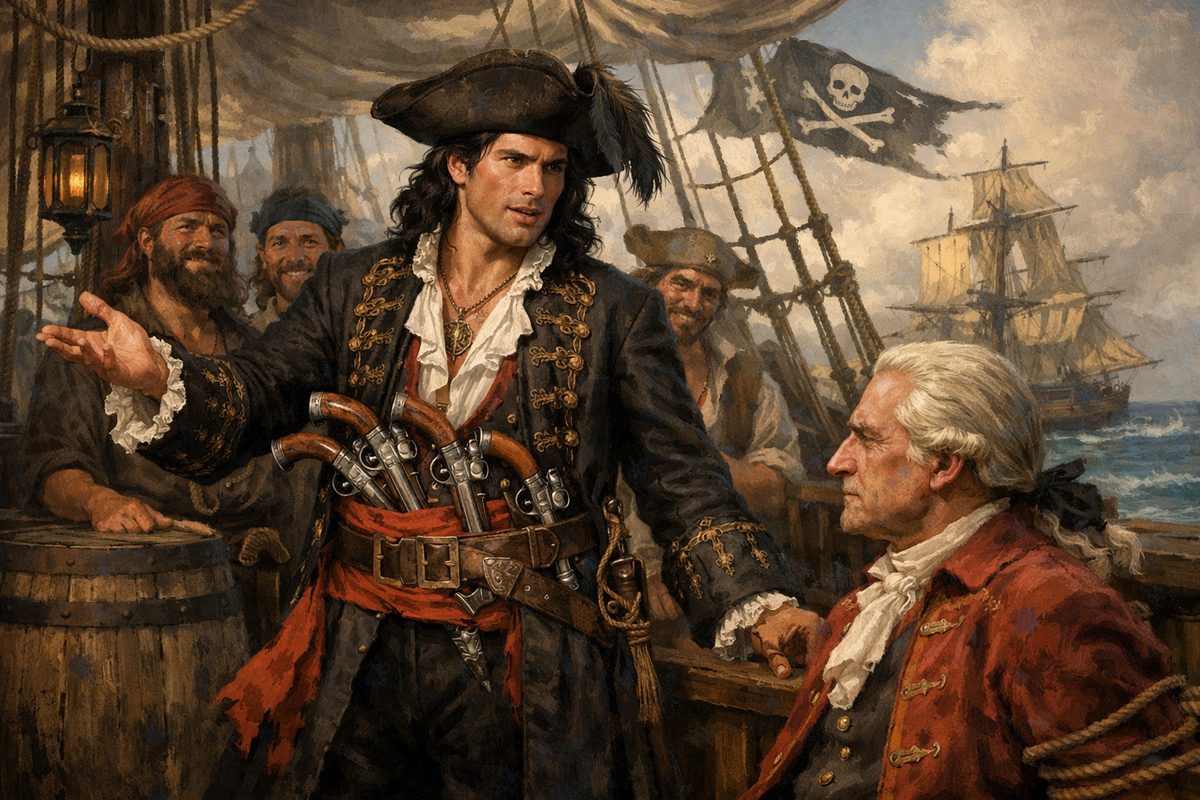
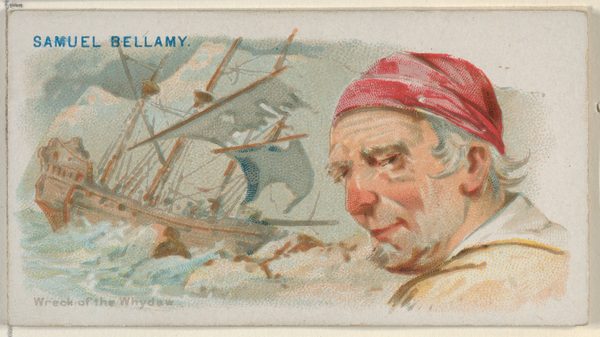
- Born Devon, England; mother died in his birth Solid (parish records: born c. late Feb 1689, baptized 18 March)
- Ship's boy at age 13 (~1702) and Royal Navy service, the traditional backstory, thinly documented (a 1716–17 deposition even calls him London-born) Contested
- Arrived at Cape Cod by 1714–early 1715 (the "Maria Hallett" name is a 1934 literary invention)
- Captured 53+ ships in ~1 year; died at 28 in the wreck
- Cruised with Paulsgrave Williams and French pirate Olivier La Buse through 1716; the plan on April 26, 1717 was to split (Bellamy to Cape Cod, Williams to Block Island) and regroup at Damariscove Island, Maine. The storm wrecked it
- Forbes (2008) ranked him the highest-earning pirate of all time at ~$120M in 2008 dollars, a record Guinness World Records confirmed in 2023
- Reputation for releasing captured crews with relatively little violence, real and somewhat mythologized by Johnson 1724
- Colin Woodard's framing: "Fight smart, harm few, score big"
- Half-Miskito Indian from the Mosquito Coast (Nicaragua/Honduras)
- Pilot of the Whydah at age 16
- One of only 2 Whydah crew to survive the wreck
- Never tried, likely because he was Indigenous, and sold into slavery Solid
- Probably the "Julian the Indian" bought by John Quincy of Braintree, great-grandfather of President John Quincy Adams. That Julian made repeated escape attempts, was sold to another owner, and was hanged in Boston on March 22, 1733 (about age 32) for killing John Rogers, the man pursuing him after an escape (per Provincetown Independent, 2025; period broadside). The identification is probable but not proven Contested
- 16 years from teen pilot to executed escapee, exactly the span of the wreck-to-death arc
- Named in the original Boston trial record as a pilot of the Whydah, alongside John Julian (via Dow & Edmonds 1923)
- That single mention is everything we know: no age, no origin, no fate
- A reminder of how much of the crew is anonymous in the documentary record
- Passenger on merchant sloop Bonetta with his mother (Jamaica → Antigua)
- Bellamy captured the Bonetta Nov 9, 1716; looted her for 15 days
- King demanded to join the pirates, threatened to kill himself if restrained, threatened his mother
- Died in the Whydah wreck, age at most 11
- Remains identified 2006: 11-inch fibula in a shoe and silk stocking
- Wealthy Rhode Island silversmith: class contrast to Bellamy
- Supplied the sloop; Bellamy supplied the nav skill
- Bellamy's quartermaster early in the partnership; by April 1717 he was captain of the sloop Marianne, Bellamy's consort. He was never the Whydah's quartermaster
- Survived the wreck by accident: stopped at Block Island to visit family while rest of fleet sailed on
- After the wreck he waited about two weeks at Damariscove, Maine for Bellamy, not knowing Bellamy was already dead, then sailed back to the pirate base at Nassau and kept raiding
- Accepted the 1718 royal pardon, then returned to piracy around 1720, sailing under Olivier Levasseur (La Buse)
- Then he simply vanishes. No capture, no trial, no execution, no grave. Williams is one of the very few Golden Age pirates whose ultimate fate is genuinely unknown Contested
- The other Whydah crew member to survive the wreck
- Claimed he had been forced into piracy
- Acquitted at the Boston trials and freed
- Experienced slaver who sailed the Whydah in 1716
- Delivered 312 of 367 captives alive to Jamaica
- Surrendered to Bellamy Feb 28, 1717 after a 3-day chase
- Bellamy let him and his crew go, gave them the Sultana
- Master of the Irish-flagged wine pink Mary Anne, captured by Bellamy off Nantucket the morning of April 26, 1717
- Cargo: ~7,000 gallons of Madeira
- Transferred to the Whydah as a prisoner. Drowned in the wreck the same night (Davis deposition, Trials p. 318)
- His brother-in-law James Dunavan and cook Alexander Mackonachy were aboard the Mary Anne when she also wrecked. They survived
- One of the seven pirates Bellamy put aboard the Mary Anne as prize crew on April 26, 1717
- Threatened to shoot cook Alexander Mackonachy in the head when Mackonachy tried to steer the ship off course (Dunavan deposition)
- Mackonachy went on to inform local authorities, leading to the pirates' arrest at Eastham
- Hanged at the Charlestown gallows, November 15, 1717
- Boston attorney appointed by the Vice-Admiralty Court to represent all seven Mary Anne pirates
- Resigned in protest after his motions were denied, including a motion to admit Davis's testimony in the Mary Anne pirates' favor (Trials, pp. 297, 299)
- The illiterate pirates then defended themselves; six were convicted and hanged
- Cape Cod local; one of the few Wellfleet residents we can name from the immediate aftermath
- Sheltered Davis and Julian (the only two Whydah survivors) when they came ashore on the morning of April 26, 1717
- Then went down to the beach to scavenge from the wreck, the first documented Cape Cod "moon-cusser" plunderer of the Whydah, before Southack arrived from Boston
- Cyprian Southack later wrote that Harding was "as Gilty as the Pirates saved" (Dow & Edmonds 1923)
- Named in the Trial depositions
Where did the Black crew come from?
Roughly a quarter of Bellamy's crew, up to 50 men, was of African or African-descended origin (Kinkor's research). Here's the part that surprises people: the Whydah had already delivered the enslaved Africans she carried to Jamaica before Bellamy ever captured her. So her Black crew didn't come from the Whydah's own hold. They came from the other ships Bellamy took.
Many had been enslaved on Caribbean plantations or aboard slave ships, and seized piracy as a way to free themselves. When Bellamy captured a slave ship, the captives could join the crew or be set free with one of his spare vessels. And many joined: in one capture of a “Guinea ship,” about 25 enslaved men signed on at once. Aboard, they got an equal share of the loot and could hold skilled jobs. The ship's pilot, John Julian, was a 16-year-old of Miskito (Central-American Indigenous) descent.
- Member of Parliament
- "The foremost London slave merchant of his day"
- Commissioned the Whydah's build in 1715 as a slaver
- Evidence that British slavery was a government-connected enterprise, not a distant private affair
- "New England's first native chart maker"
- Commander of the Bay Colony's naval militia
- Sent by Gov. Samuel Shute in 1717 to salvage the wreck; recovered almost nothing
- Marked the wreck's location on his New England chart
- That 267-year-old map is how Barry Clifford found the Whydah in 1984
- Discovered the wreck in 1984 using Southack's map
- Recovered the bell in 1985, first authenticated Golden Age pirate wreck
- Has led the excavation via Expedition Whydah ever since
- Some controversy in archaeology community about salvage vs. academic methods
- Joined Expedition Whydah 1986; 27 years as Director of Research
- Compiled the Whydah Sourcebook
- Established that ~25% of Bellamy's crew was Black
- Co-authored Real Pirates: The Untold Story of the Whydah (with Clifford & Simpson)
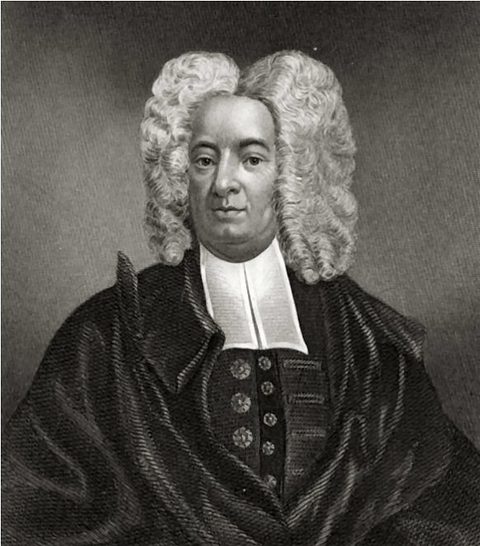
- Son of Increase Mather, grandson of Richard Mather
- Complicated role in the 1692 Salem Witch Trials: his Wonders of the Invisible World defended the court
- Ministered to the Whydah pirates in Boston jail
- On Nov 15, 1717 took "a long and sad walk" with the six condemned men from the prison to the gallows at the Charlestown Ferry landing (his diary, quoted by MHS)
- Published the execution sermon as "Instructions to the Living, from the Condition of the Dead" (1717), an existing primary source
- He is the documented Salem→Boston bridge: the Salem-known name who verifiably appears in the Whydah's ending
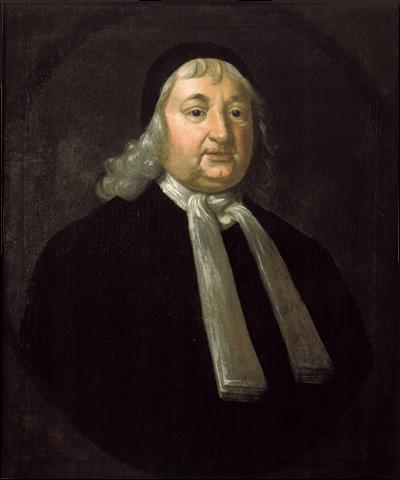
- One of the 1692 Salem Witch Trial judges
- In 1697 published a public apology for his role, the only Witch Trial judge to do so (Sewall's apology) Solid
- Long linked to the Whydah pirate trials in popular accounts, but the primary trial record, The Trials of Eight Persons (1718), does not name him among the commissioners at any of the four October 1717 sessions. (His wife died mid-trial, Oct 1717.) So we can't say he was one of the judges. The documented Salem→Boston bridge is Cotton Mather.
- The affair is documented; the name has been contested for decades
- Elizabeth Reynard's 1934 novel The Narrow Land popularized the name "Maria"
- Ken Kinkor's archival research found a young woman of that name was actually living in Eastham at the time (per Colin Woodard, Republic of Pirates, 2007), but a direct documentary link to Bellamy is not proven
- Local folklore also calls her the "Witch of Wellfleet"
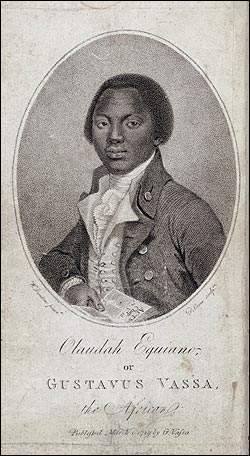
- Author of The Interesting Narrative of the Life of Olaudah Equiano (1789)
- Captured 1756, NOT Whydah-era (his narrative is 40 years after the wreck)
- Used as a Middle Passage voice, not a Whydah voice
- Scholarly debate about African vs. American birth